Round
Round Oval
Oval Emerald Cut
 Marquise
 Pear
Pear Rose Cut
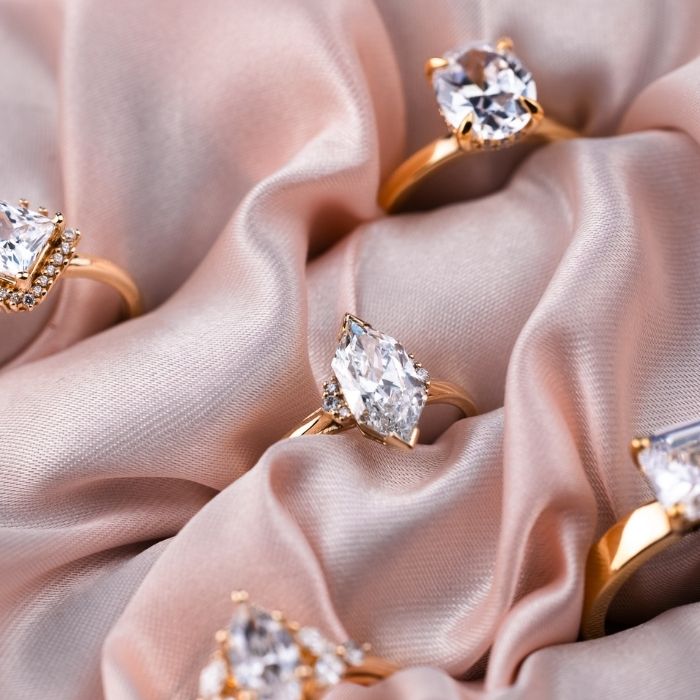
Shopping for an engagement ring is exciting, but it can also feel a little overwhelming. One of the biggest decisions you'll make is choosing the center stone, and with so many different diamond shapes available, it's easy to wonder where to start.
One of the first questions I ask during a custom design consultation is, "What diamond shape are you drawn to?" Most people have an answer, but when I ask why they like that shape, the conversation gets much more interesting.
Some people want the most sparkle possible. Others want a diamond that looks larger than its carat weight. Some are drawn to clean, modern lines, while others love vintage-inspired designs. The truth is there is no "best" diamond shape. Every shape has its own personality, strengths, and design possibilities. Understanding the differences between them will help you choose a diamond that not only looks beautiful but also fits your style and priorities.

Diamond Shape vs. Diamond Cut
Before diving into the different shapes, let's clear up one of the biggest misconceptions in the jewelry world.
Although people often use the terms shape and cut interchangeably, they actually mean two different things.
A diamond's shape is simply its outline when viewed from above. Round, oval, pear, emerald, cushion, and princess are all examples of diamond shapes.
A diamond's cut, however, refers to how well the diamond has been proportioned and polished. Every diamond has small polished surfaces called facets that reflect and refract light. The precision of those facets determines how bright, lively, and sparkly a diamond appears.
This is why cut is often considered the most important of the famous Four Cs. Two diamonds with identical color, clarity, and carat weight can look completely different if one is cut significantly better than the other.
Carat Weight vs. Visual Size
One of the biggest misconceptions about diamonds is that carat weight tells you how large a diamond will look. In reality, a carat is simply a measurement of weight, not size. Two diamonds can both weigh 2 carats but have noticeably different face-up appearances depending on how their weight is distributed.
Some shapes spread more of their carat weight across the surface of the diamond, making them appear larger. Others carry more of their weight in the depth of the stone. While these diamonds may look slightly smaller from above, the extra depth often helps maximize sparkle or creates a different visual character.
Best Diamond Shapes for Carat Efficiency
If your goal is to make your diamond look as large as possible without increasing the carat weight, these shapes are excellent choices.
Marquise diamonds are the clear winner. Their long, narrow silhouette creates exceptional finger coverage.
Oval diamonds are another favorite because they appear noticeably larger than a round diamond of the same carat weight while still offering excellent brilliance.
Pear diamonds also maximize visual size thanks to their elongated profile, while Radiant cuts provide a great balance between sparkle and face-up size.
Diamond Shapes That Tend to Face Up Smaller
Some shapes carry more of their weight below the surface of the stone.
Round Brilliant diamonds use their depth to maximize sparkle, while Princess cuts are also relatively deep to produce outstanding brilliance.
Cushion cuts often have deeper proportions that contribute to their soft, romantic appearance, and Asscher cuts concentrate more of their weight toward the center, creating their signature hall-of-mirrors effect.
Emerald cuts generally fall somewhere in the middle. Their elongated shape gives them nice finger coverage, but they usually appear true to their carat weight rather than noticeably larger or smaller.
Neither approach is better. It simply depends on whether your priority is maximizing visual size or maximizing brilliance.
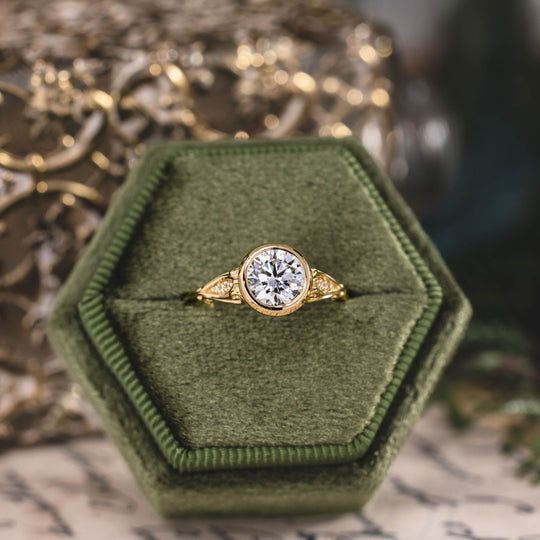
The Elaina
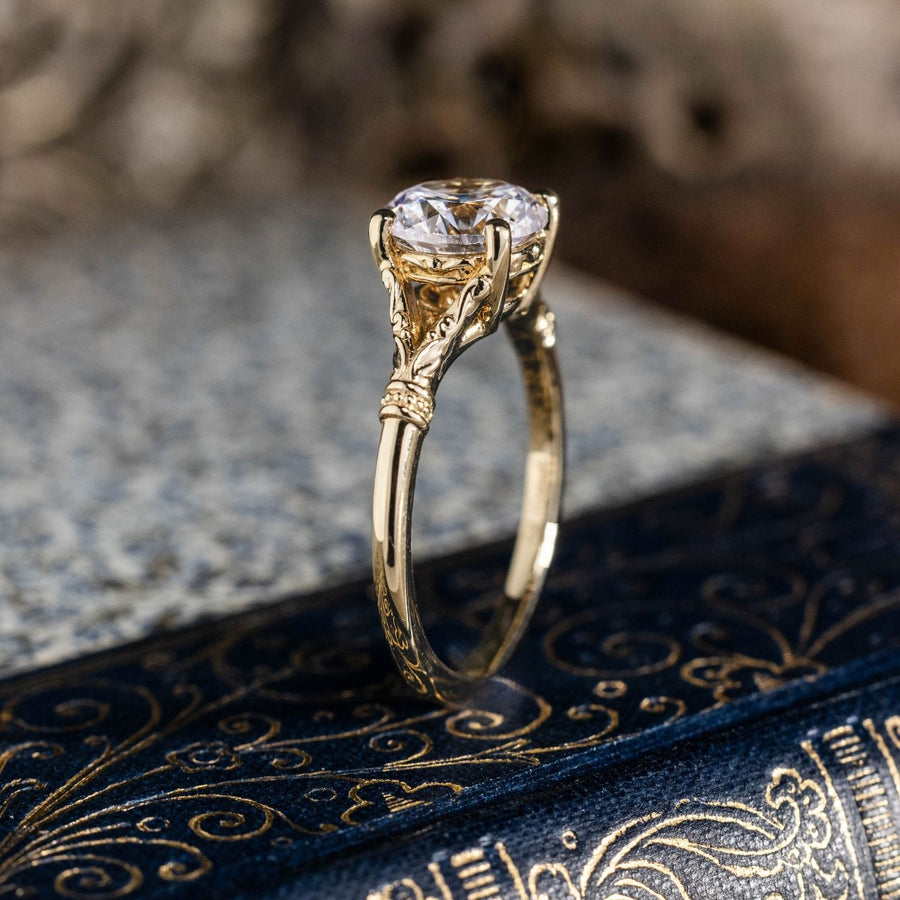
The Selwyn
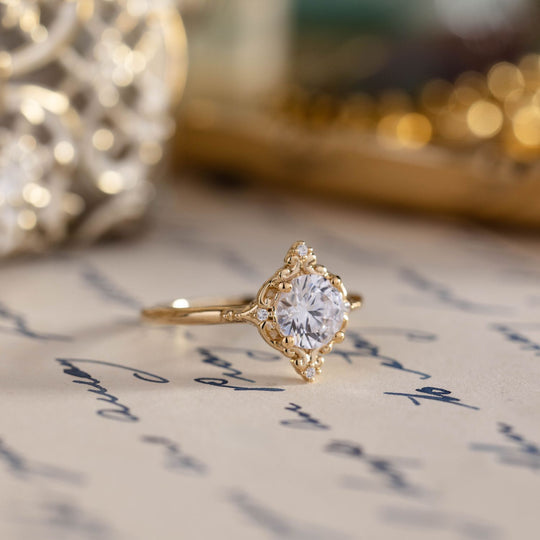
The Mariglen
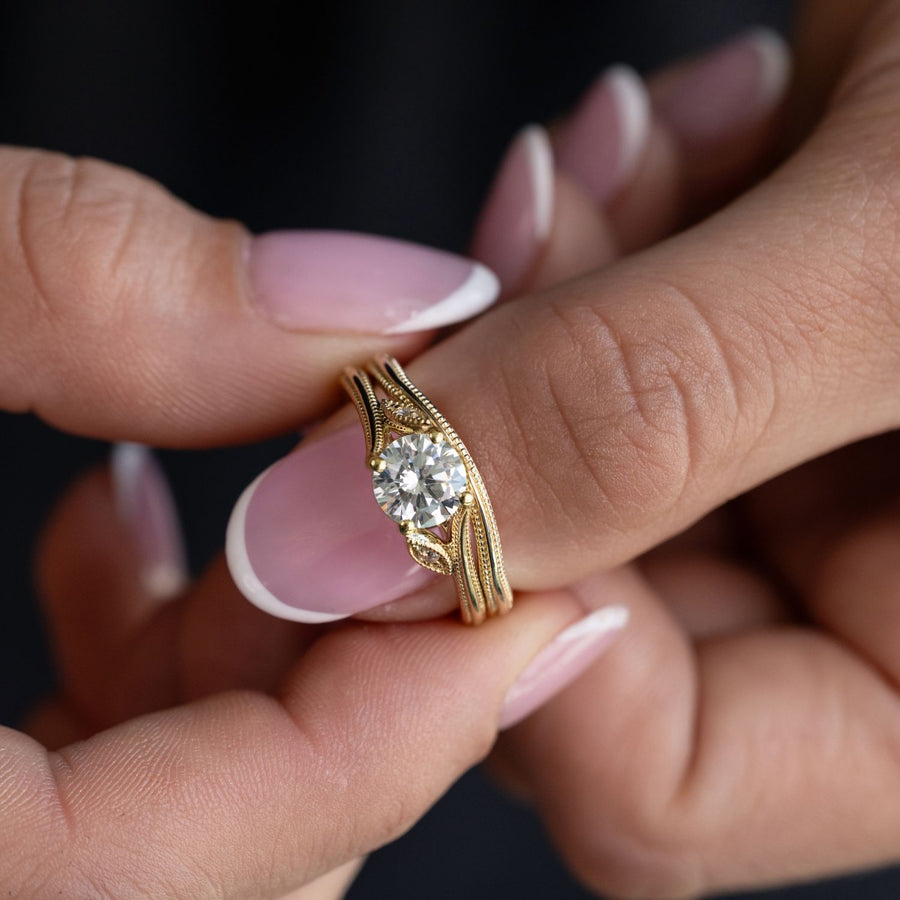
The Fleuris
 The Evelina
The Daisy
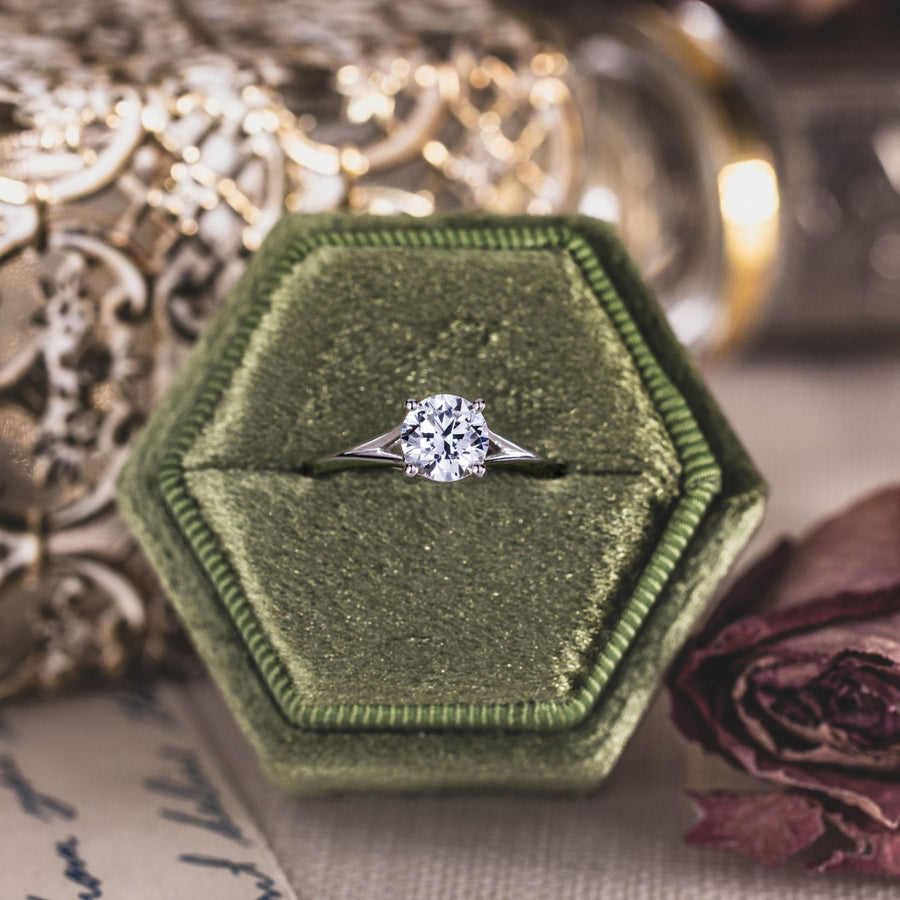
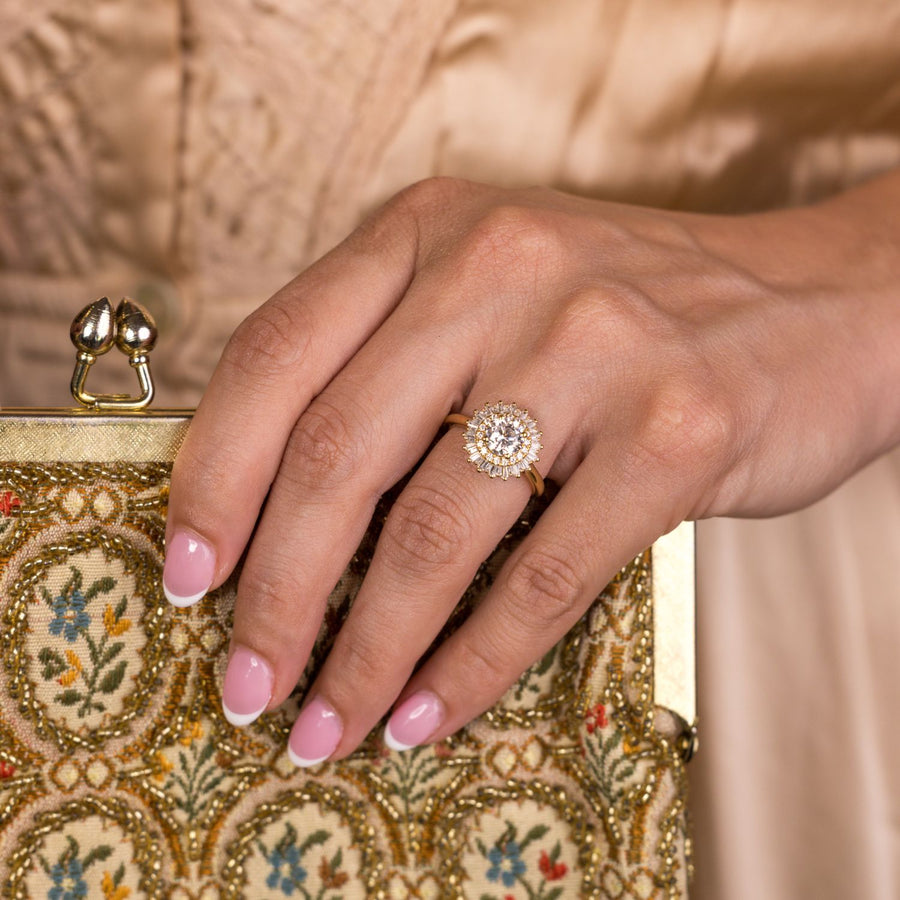
Round Brilliant Diamond
The round brilliant is the most popular diamond shape in the world, and for good reason. It has been refined for over a century to produce the highest level of sparkle possible.
Because more of its weight is carried in the depth of the diamond, a round brilliant often appears slightly smaller than elongated shapes of the same carat weight. The payoff is incredible light performance.
If your top priority is brilliance, a round diamond is difficult to beat. It also works beautifully in nearly every engagement ring style, from classic solitaires to intricate vintage-inspired settings.
 Custom Engagement Ring
Custom Engagement Ring
 Custom Engagement Ring
Custom Engagement Ring
The Amelie
 Custom Engagement Ring
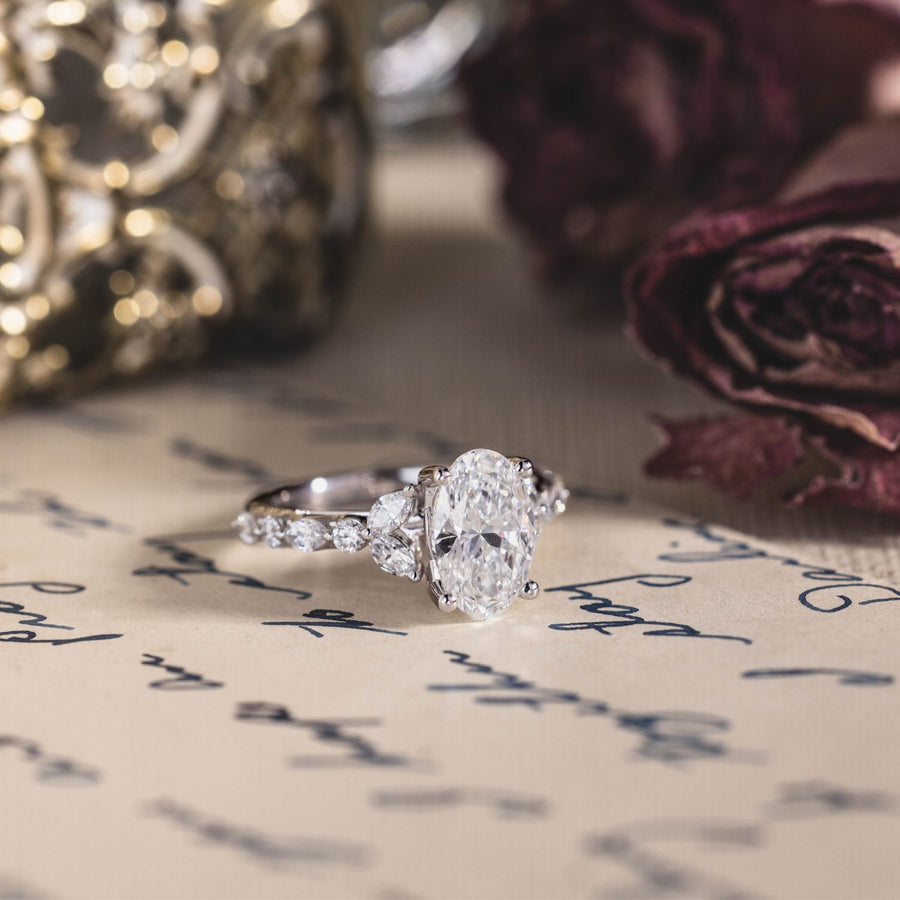
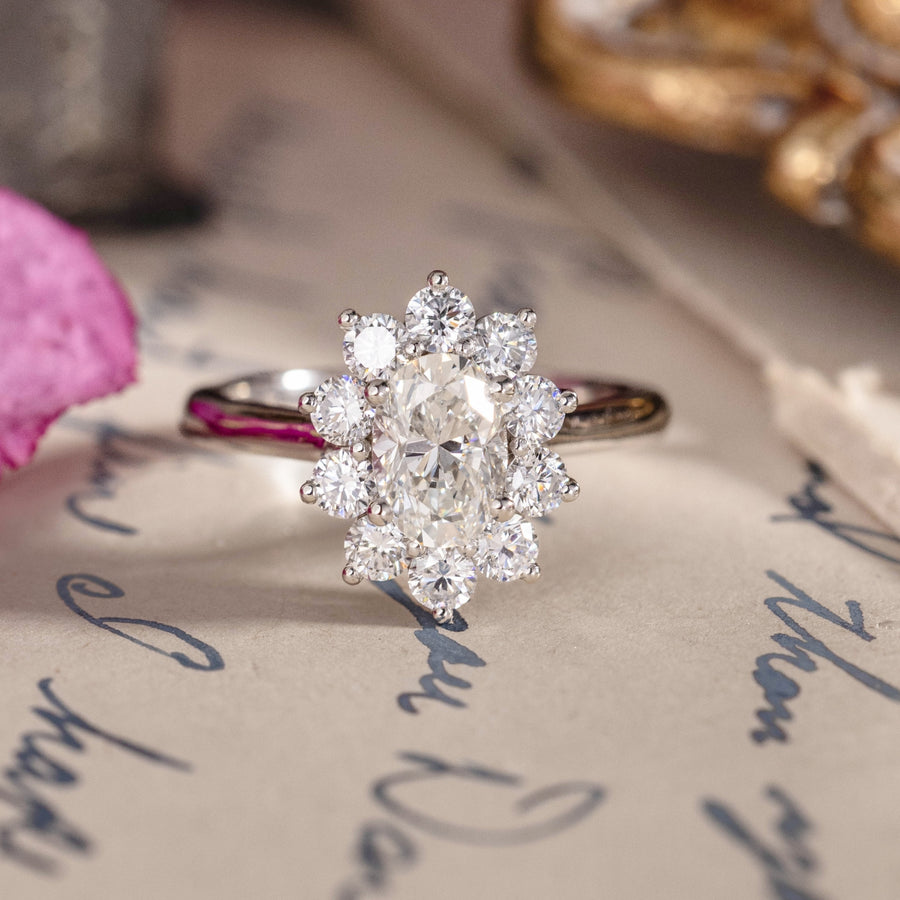
Oval Diamond
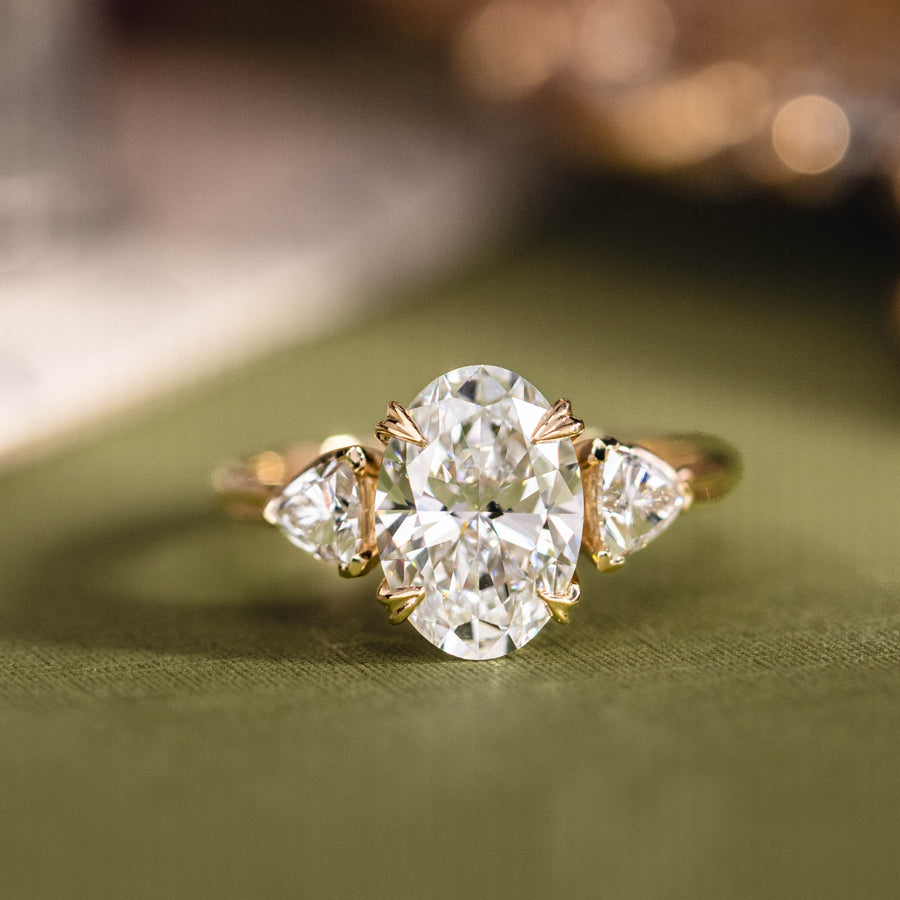
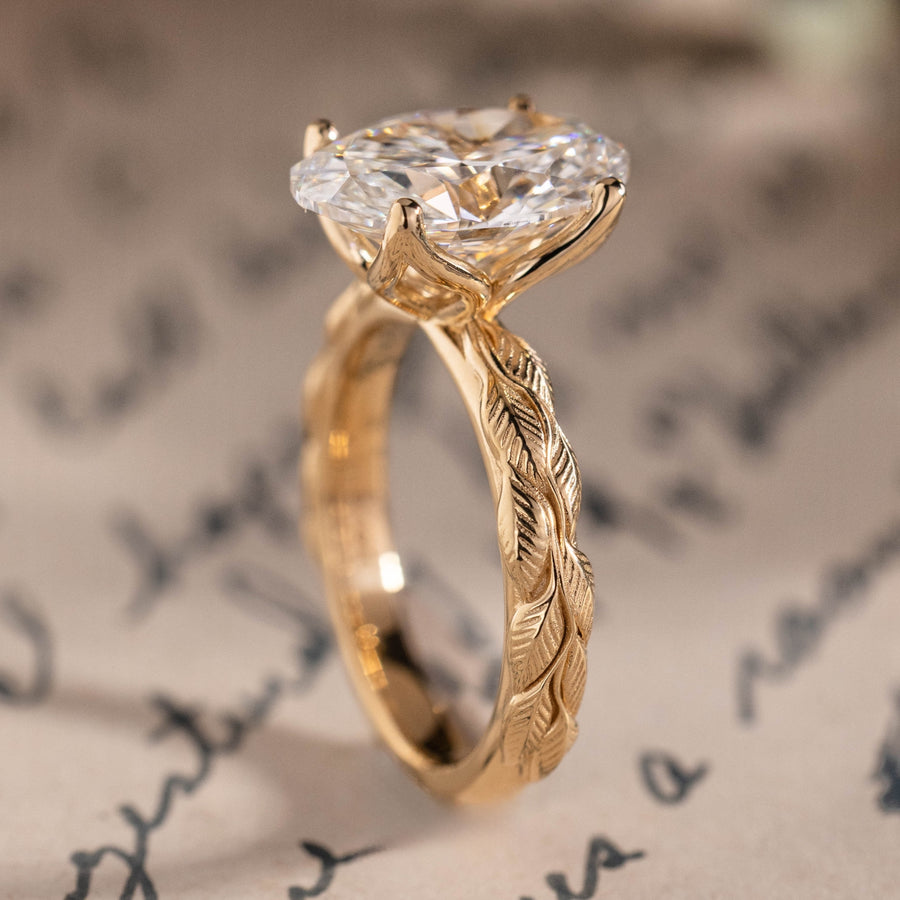
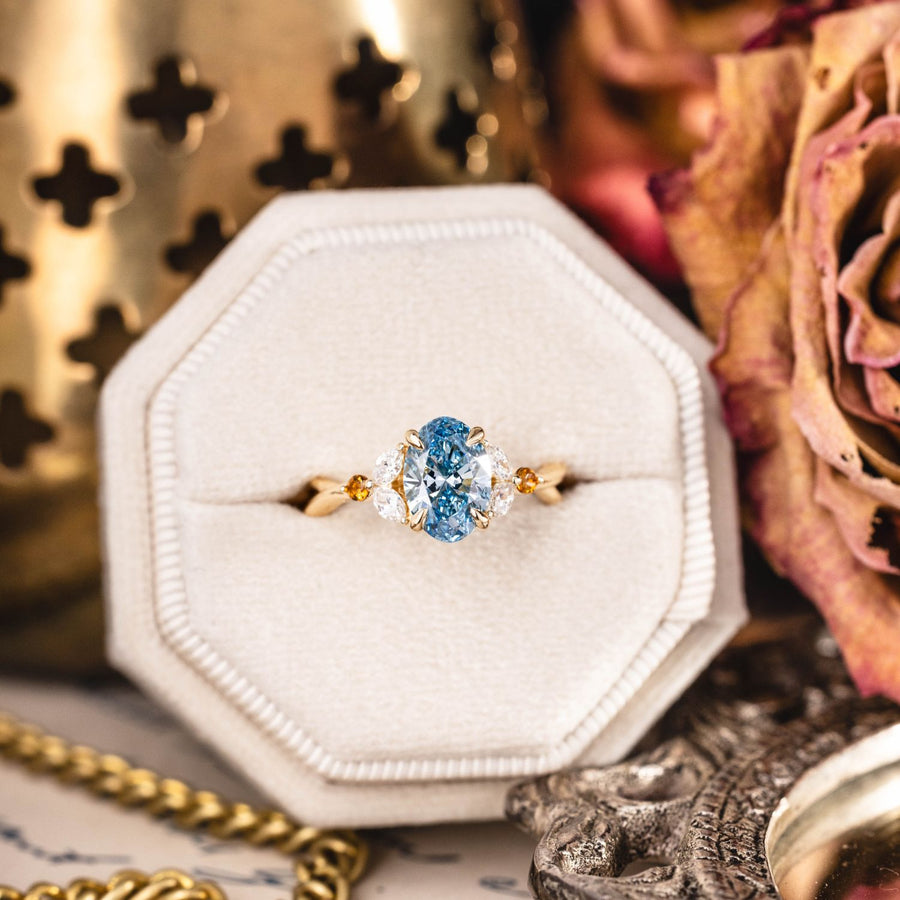
Oval diamonds have become one of the most requested shapes over the last several years.
Their elongated silhouette spreads more of the diamond's weight across the surface, making them appear larger than a round diamond of the same carat weight. They also create the illusion of longer, more slender fingers.
One thing to look for is something called the bow tie effect, a dark shadow that can appear across the center of elongated diamonds. A well-cut oval minimizes this effect and produces exceptional sparkle.
If you want a balance between brilliance and visual size, the oval is one of the best choices available.
Custom Engagement Ring
The Brooklyn
Custom Engagement Ring
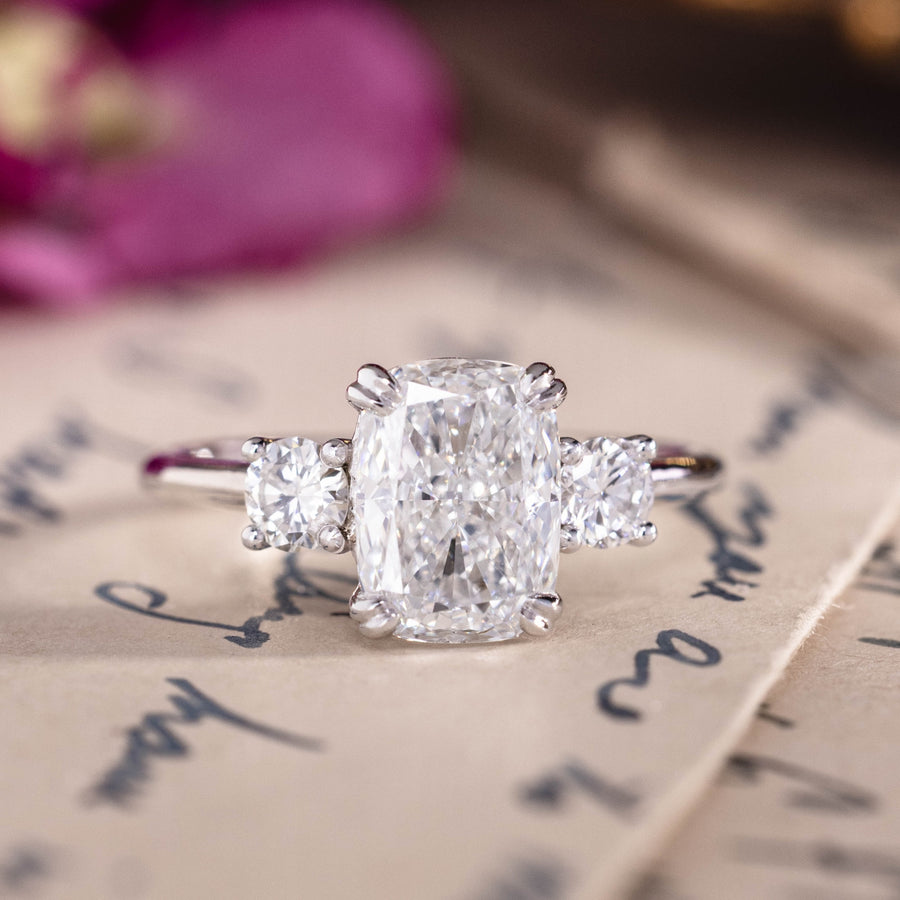
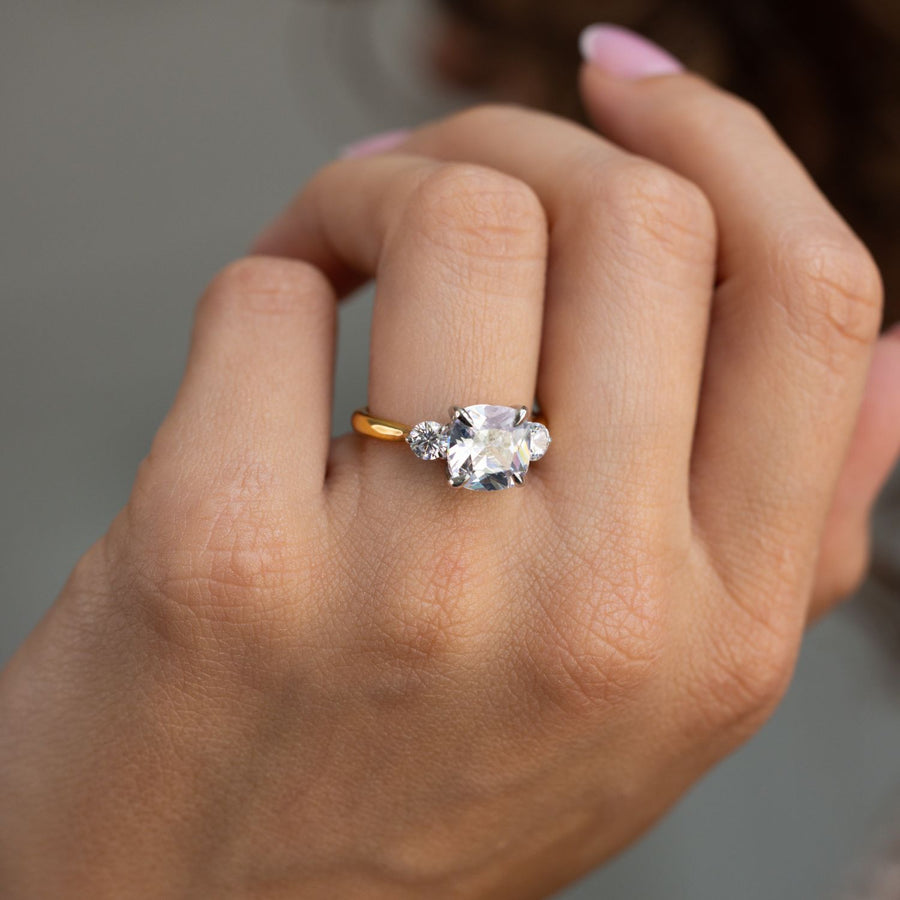
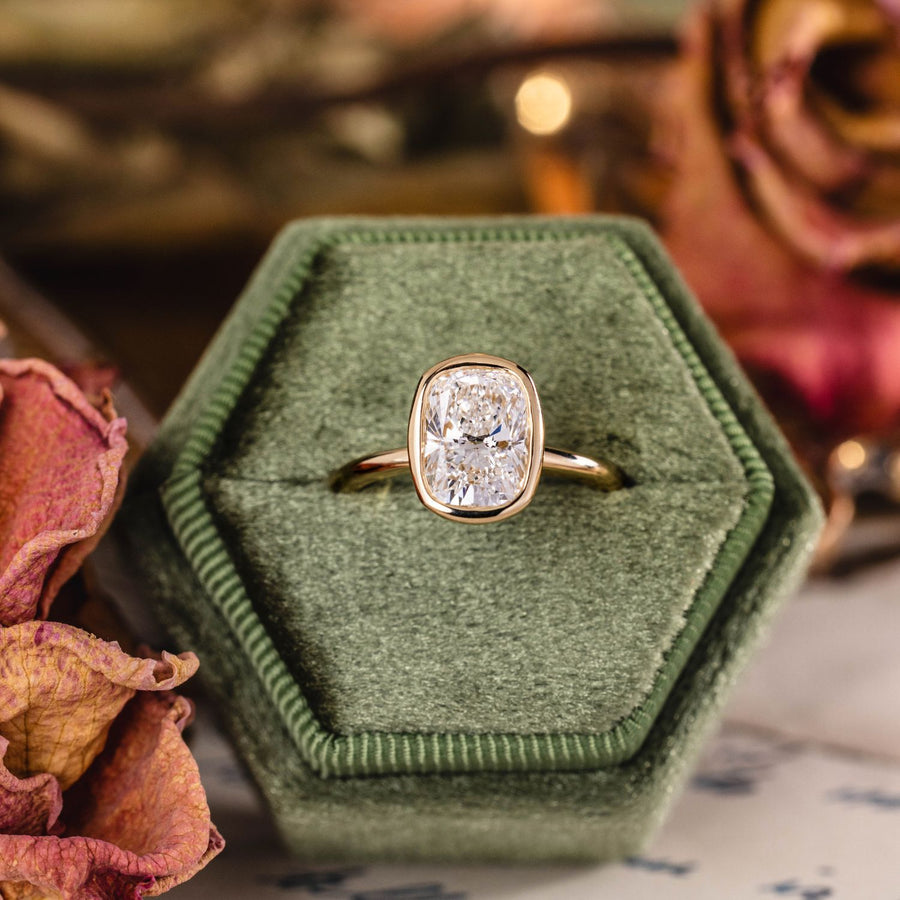
Cushion Cut Diamond
The cushion cut has been around for nearly 200 years and continues to be one of the most timeless diamond shapes.
Named for its soft pillow-like outline, the cushion cut combines rounded corners with a romantic appearance. Its deeper proportions mean it often faces up a little smaller than elongated shapes, but many people love its softer personality and vintage feel.
Depending on the faceting style, a cushion can produce either lots of sparkle or larger, slower flashes of light.
The Vivienne
The Celeste
The Rosalie
Custom Engagement Ring
 Custom Engagement Ring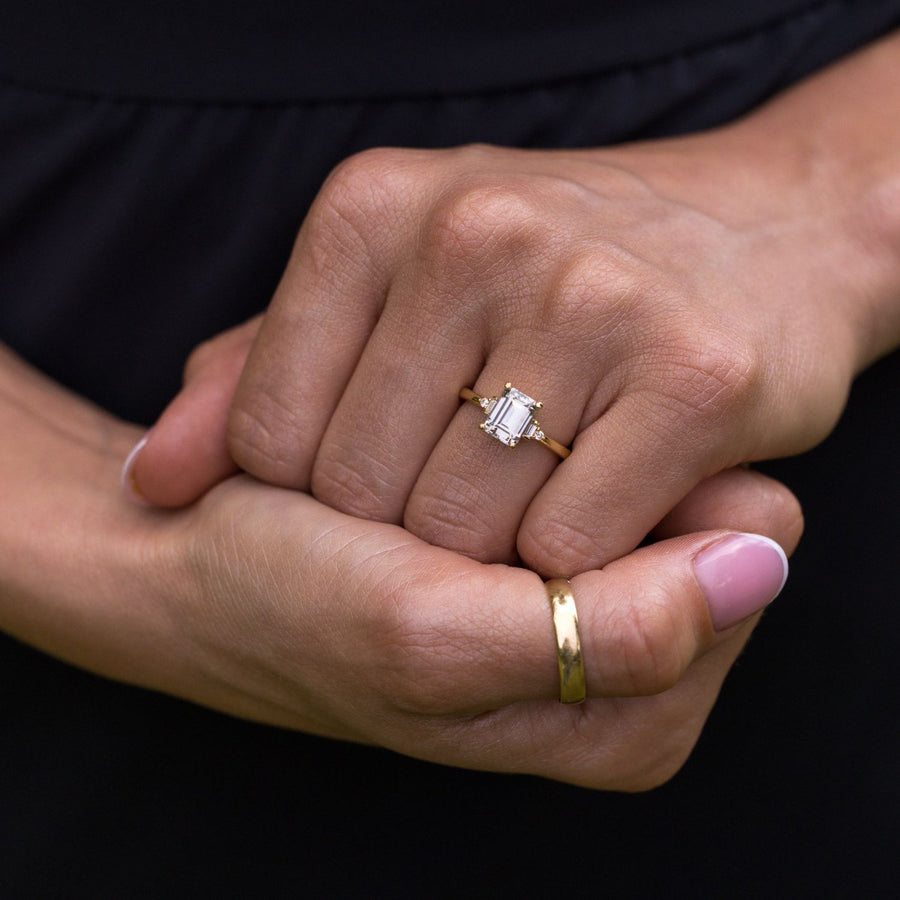
The Isabella
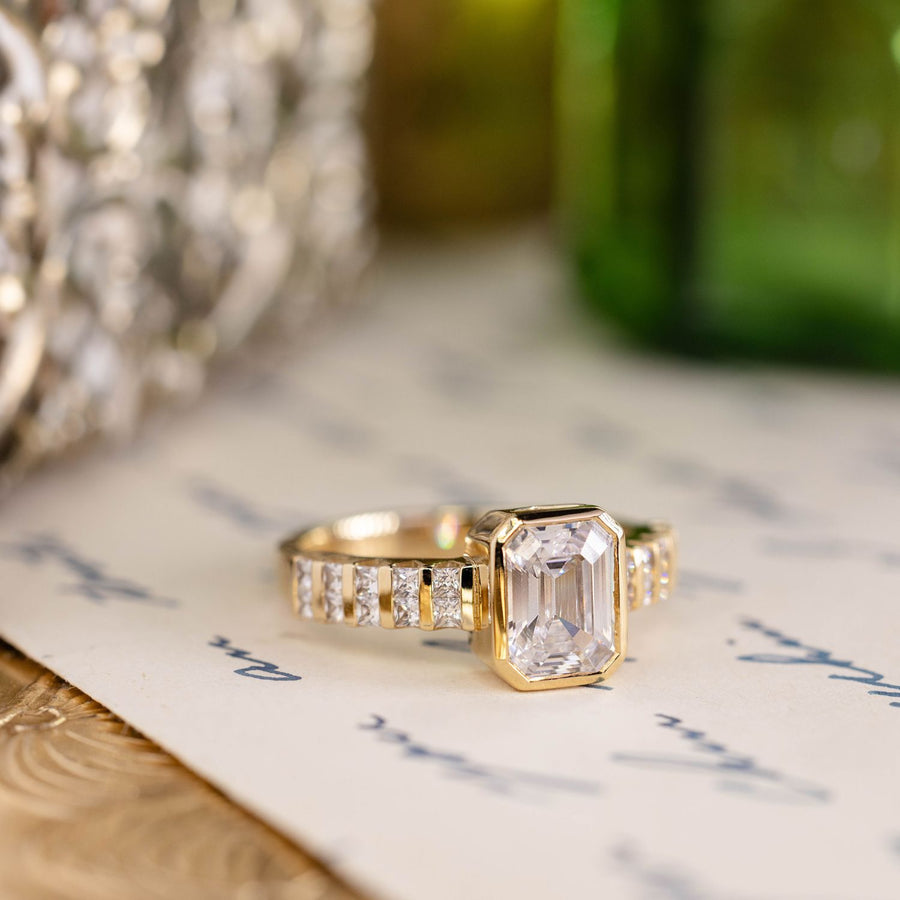
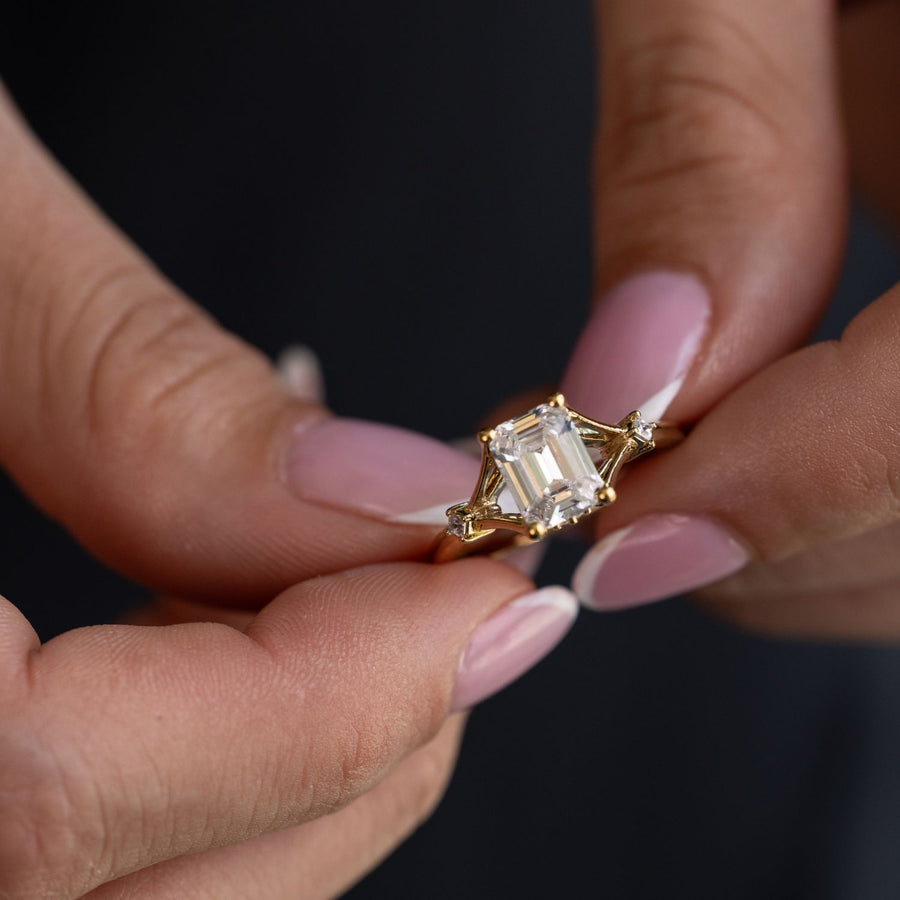
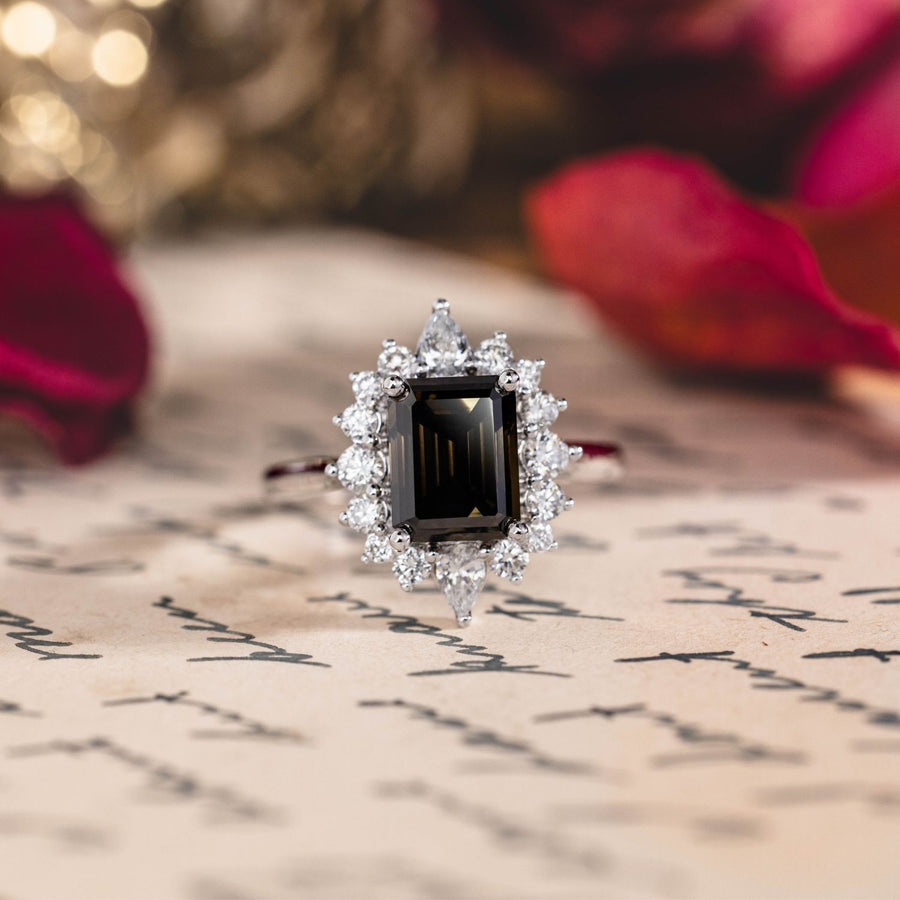
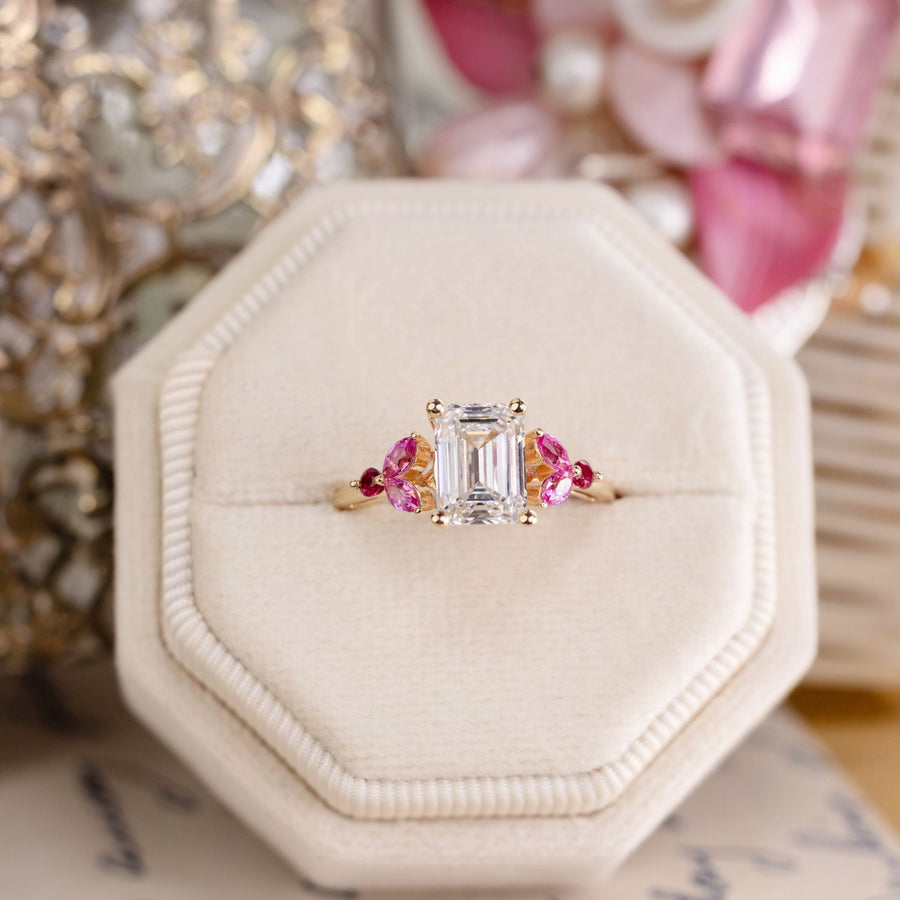
Emerald Cut Diamond
The emerald cut offers a completely different type of beauty.
Rather than using brilliant faceting, emerald cuts feature what's called a step cut, meaning the facets are arranged in long, parallel rows that resemble a staircase. Instead of tiny flashes of sparkle, they create broad reflections of light that emphasize clarity and elegance.
Because of these large open facets, inclusions are easier to see, so clarity becomes much more important than it is in brilliant-cut diamonds.
If you appreciate clean lines, understated luxury, and Art Deco-inspired design, the emerald cut is an excellent choice.

Radiant Cut Diamond
Think of the radiant cut as a combination of an emerald cut and a round brilliant.
It has the rectangular shape many people love but uses brilliant faceting to create exceptional sparkle.
Radiant diamonds also distribute their weight efficiently across the top of the stone, helping them appear slightly larger than many other shapes while still maintaining excellent brilliance.
For someone who wants sparkle without choosing a round diamond, the radiant cut deserves a close look.
Custom Engagement Ring
The Juno
The Tabitha
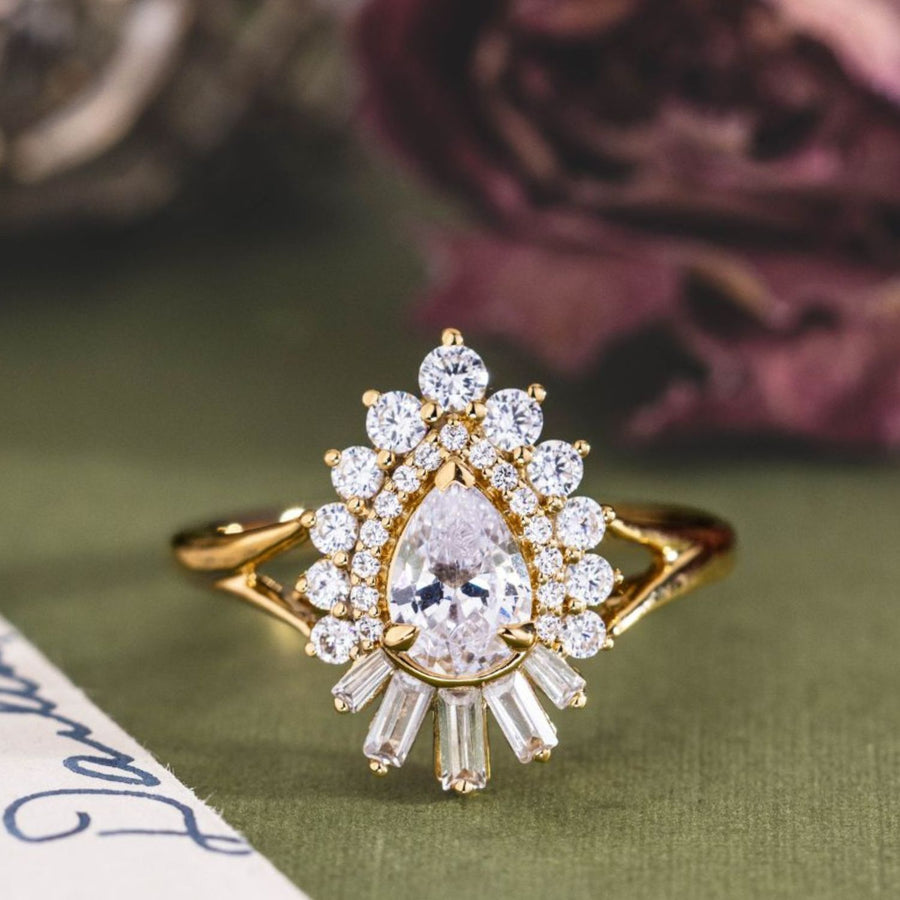
The Adele
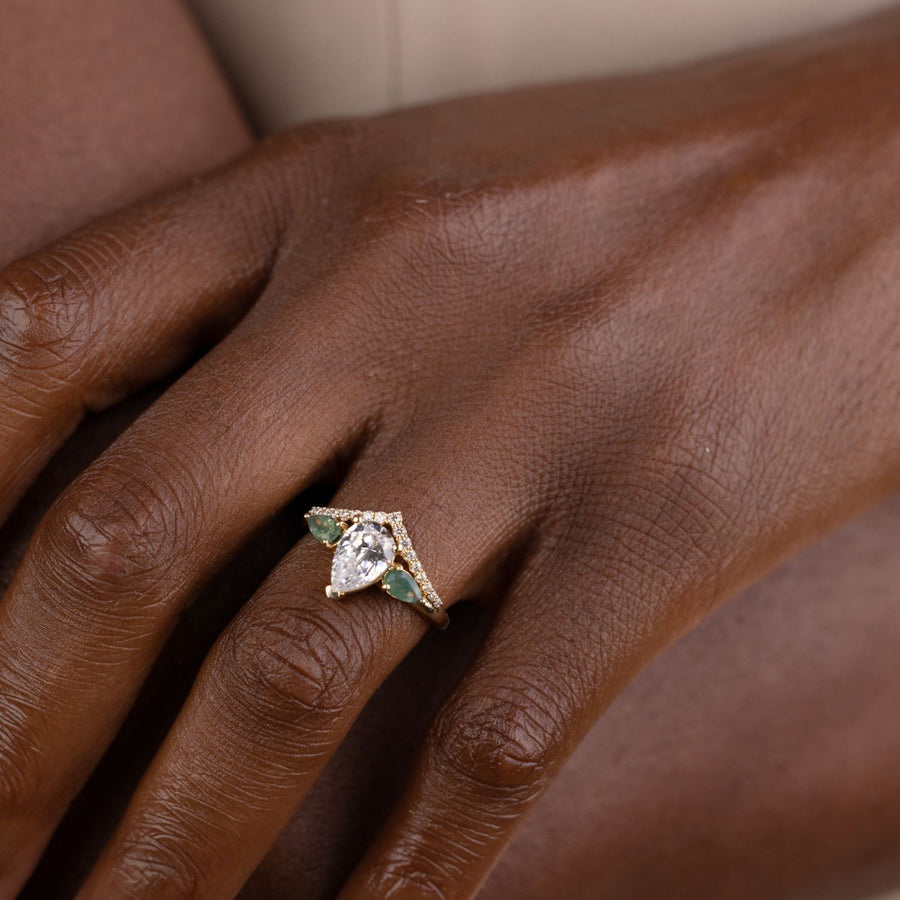
The Liora
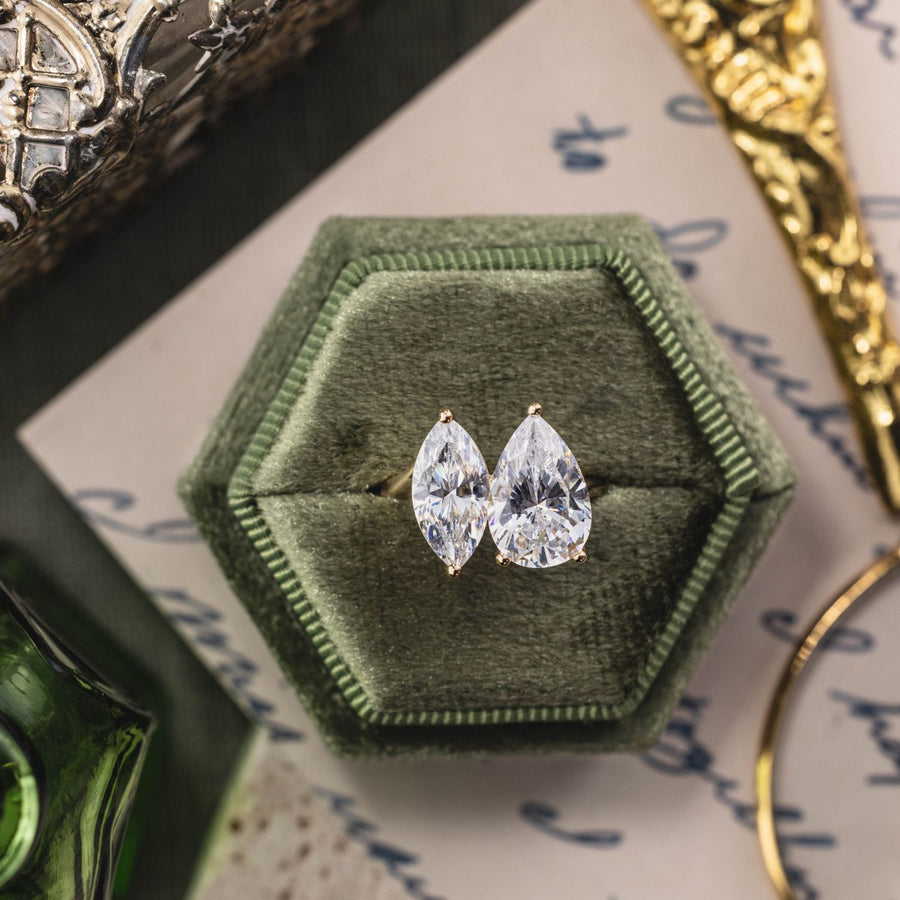
The Seraphina
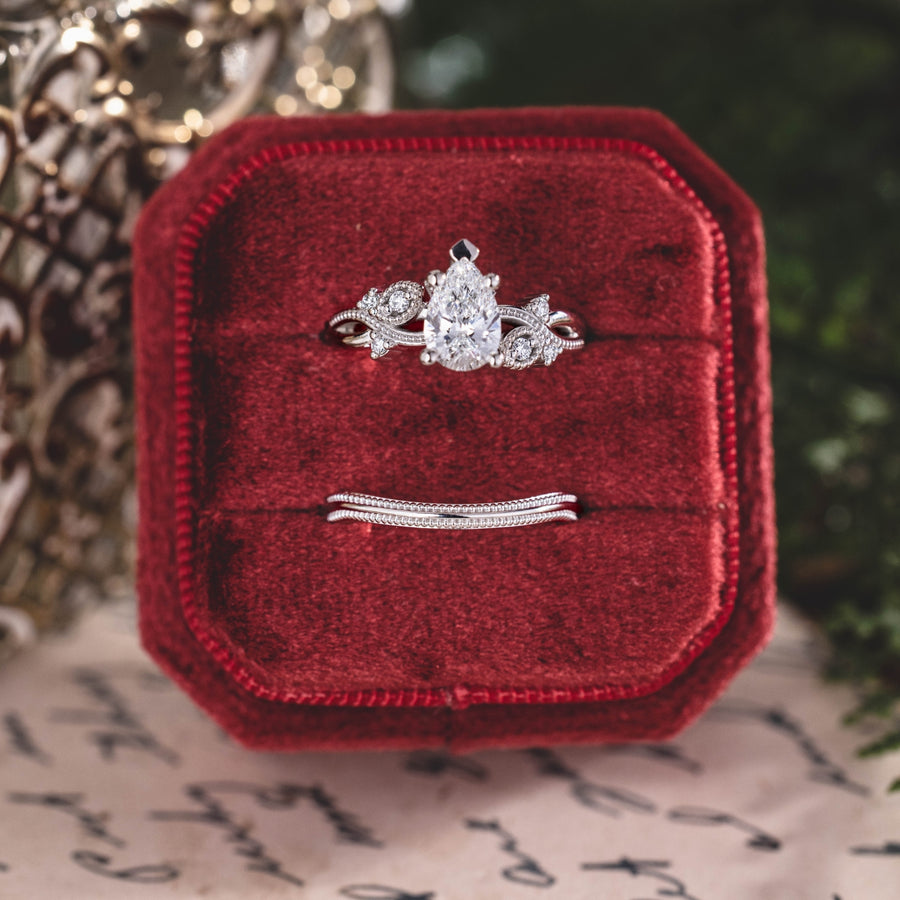
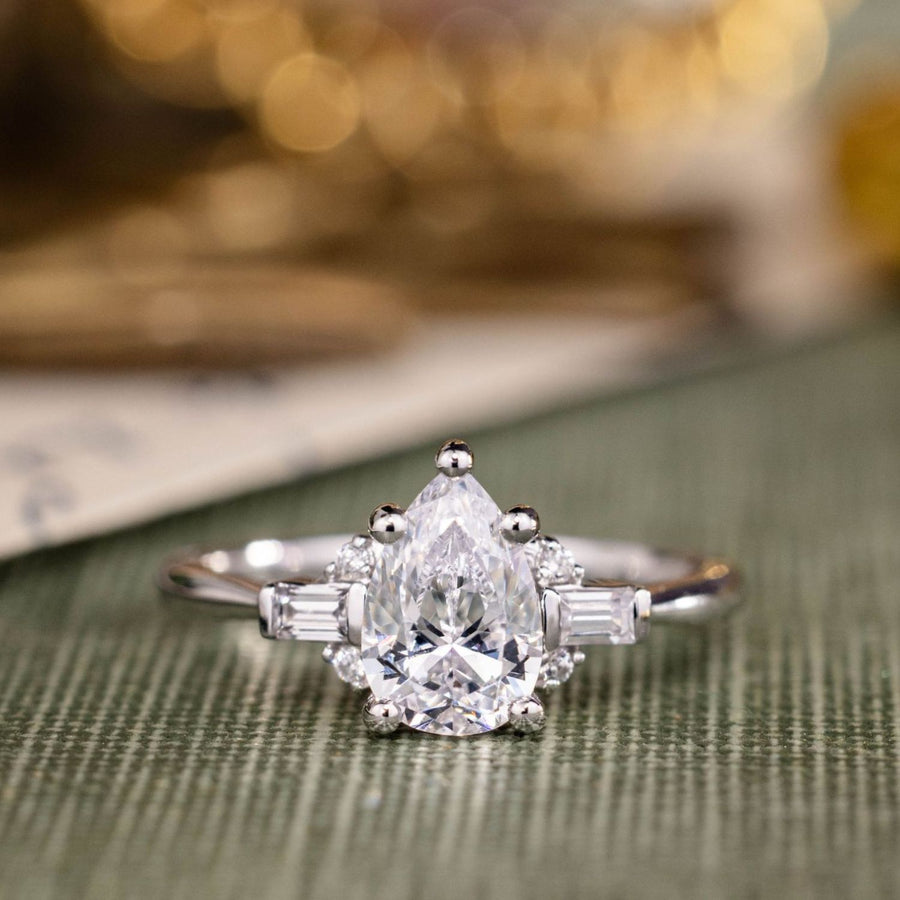
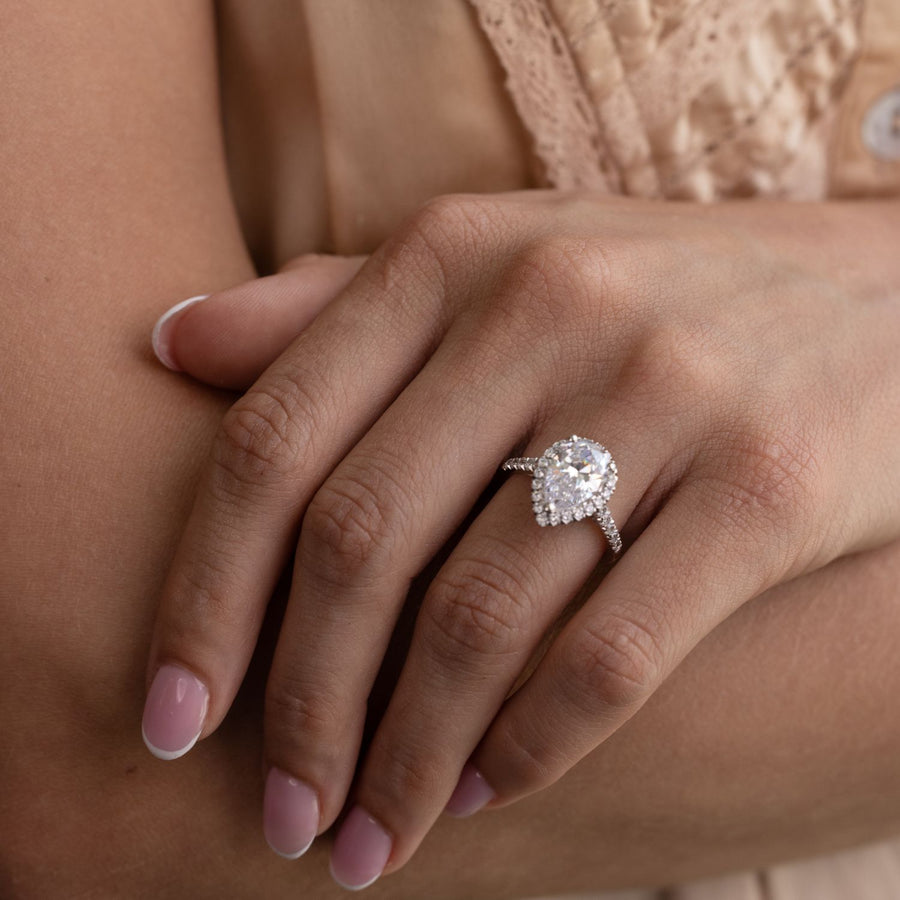
Pear Diamond
The pear shape combines the soft curves of a round diamond with the pointed tip of a marquise.
Its elongated profile provides excellent finger coverage and often makes the diamond appear larger than its actual carat weight.
Like oval diamonds, pears can develop a bow tie effect if they are not cut well. The pointed tip should also be protected with a prong to help prevent chipping during everyday wear.
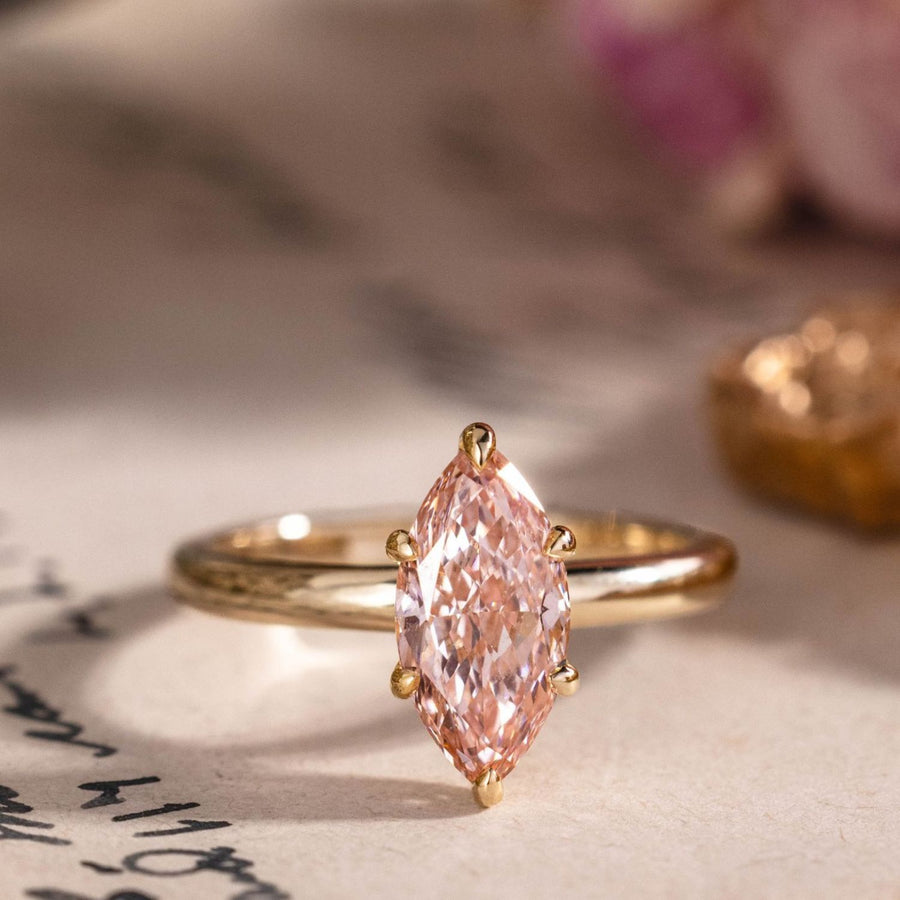
The Anna Grace

The Magnolia
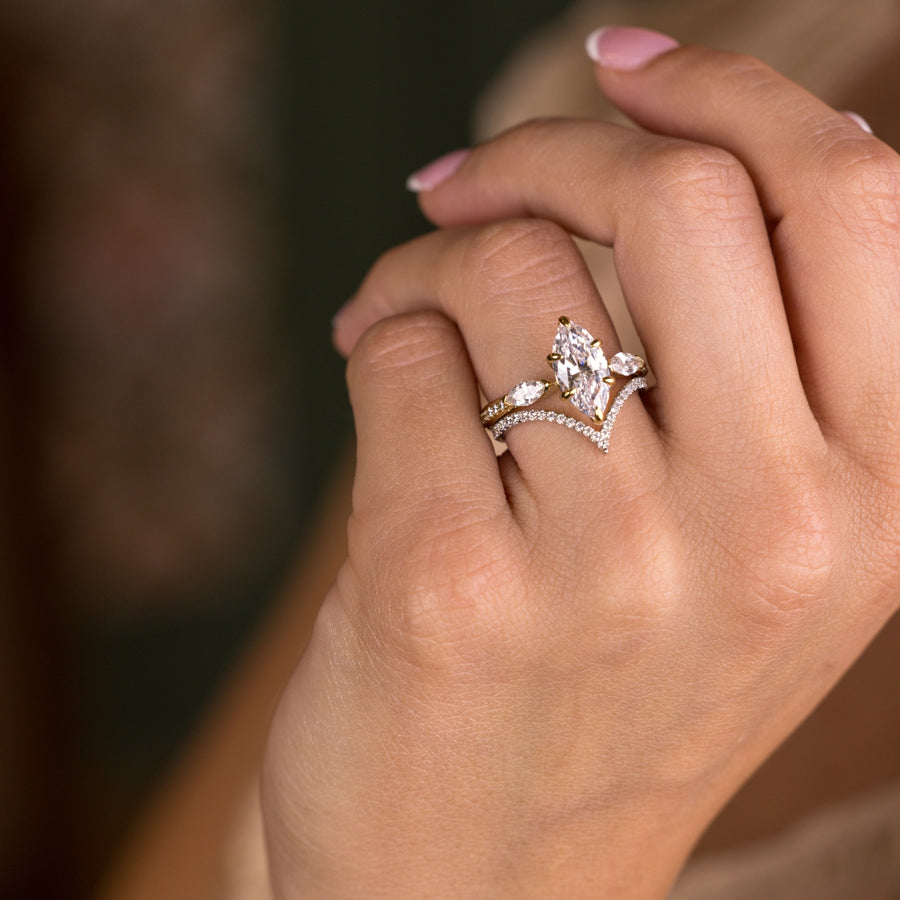
The Gwyndolyn
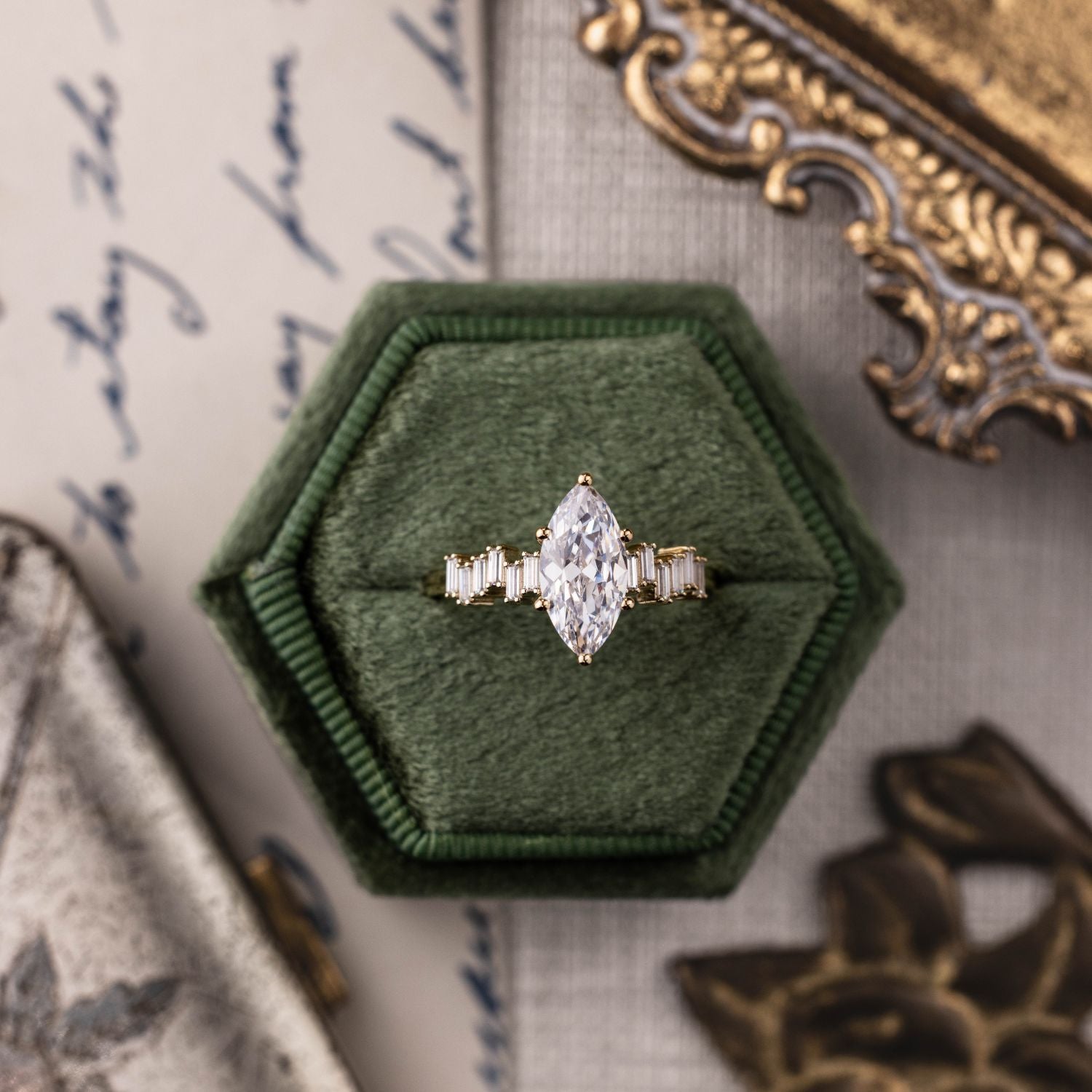
The Anwen
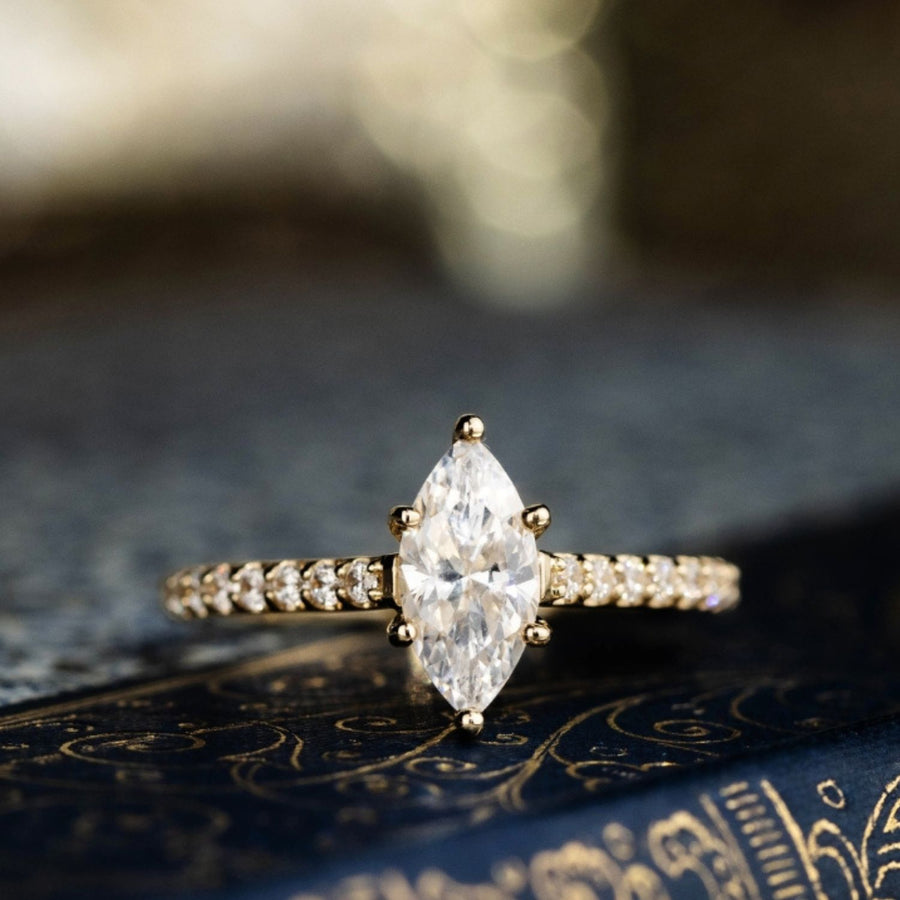
The Verity
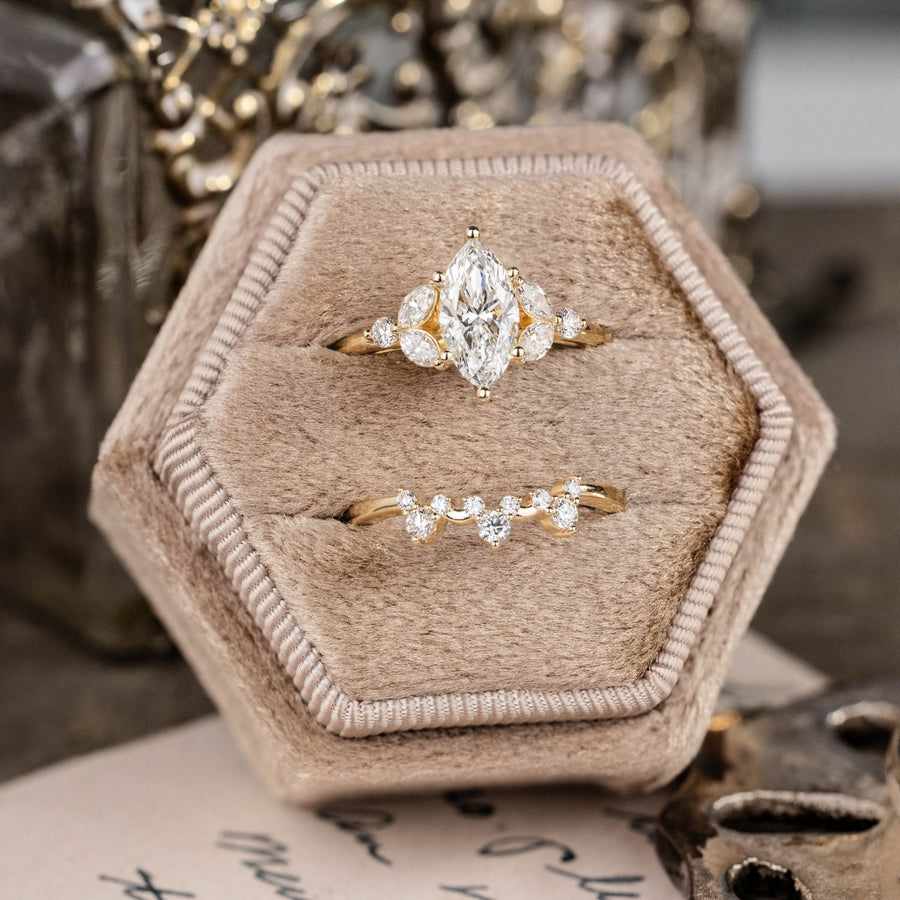
The Laurel in Marquise
Marquise Diamond
If maximizing visual size is your goal, the marquise is hard to beat.
Its long, narrow shape spreads nearly all of its weight across the surface, making it one of the largest-looking diamond shapes for any given carat weight.
Originally commissioned by King Louis XV of France, the marquise has remained popular for centuries because of its dramatic appearance and ability to elongate the finger.
The Lysandra
The Louisa
The Arden
Princess Cut Diamond
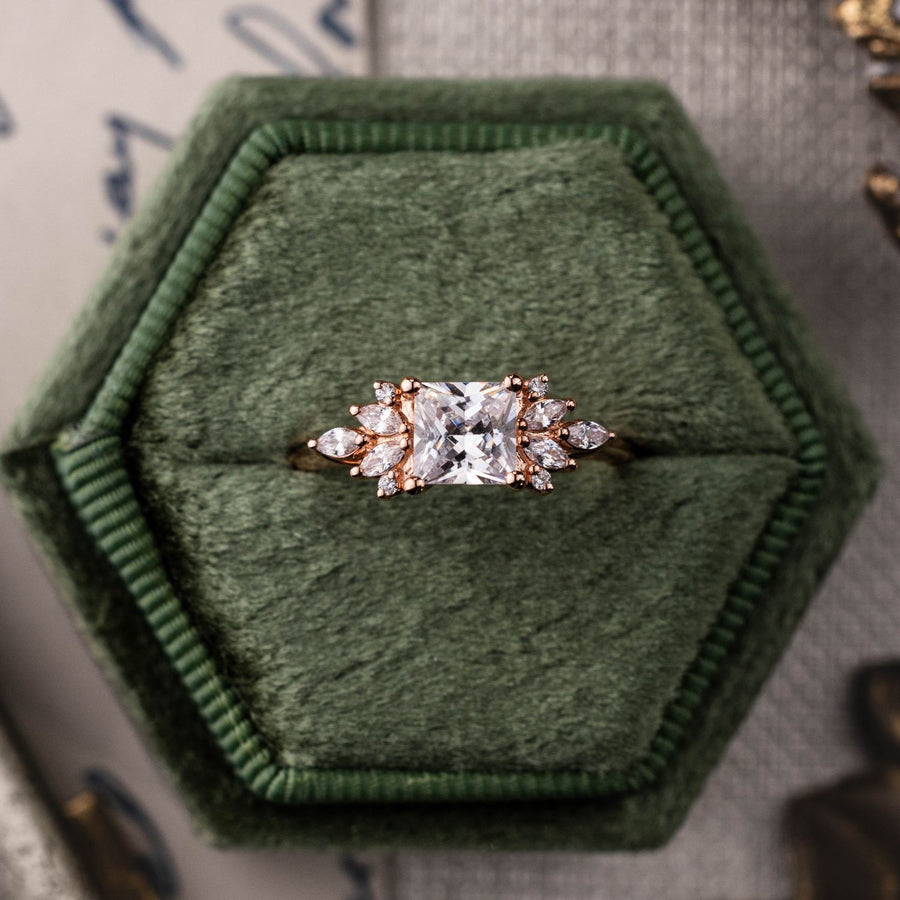
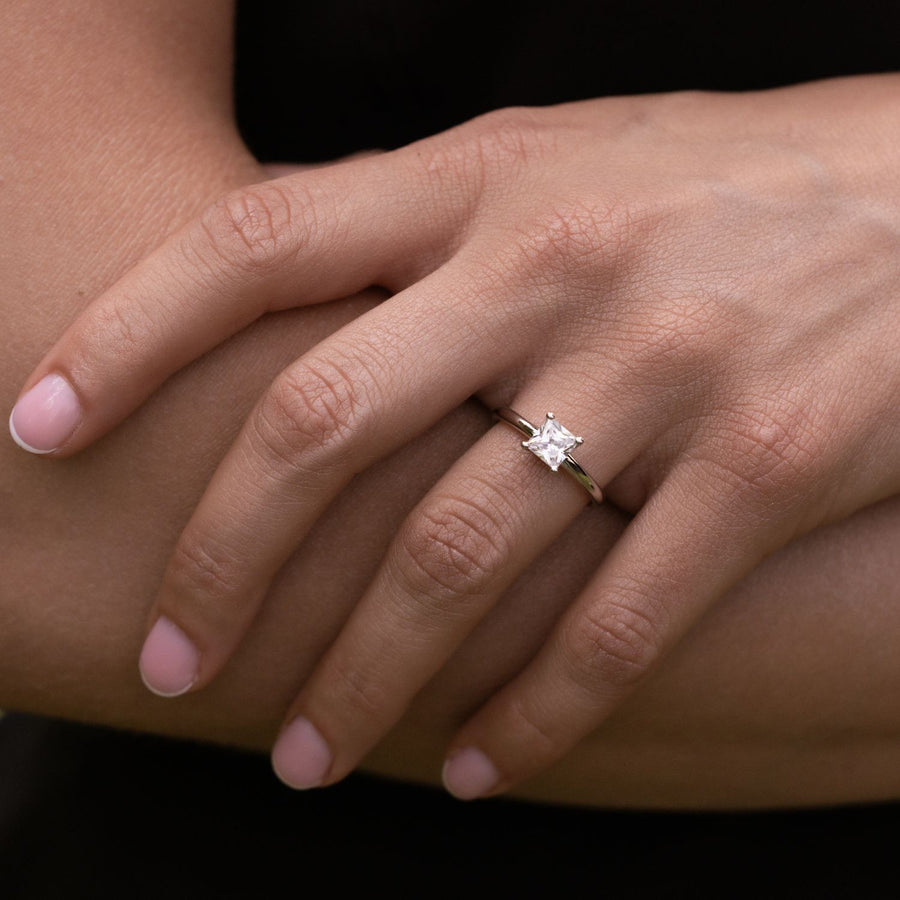
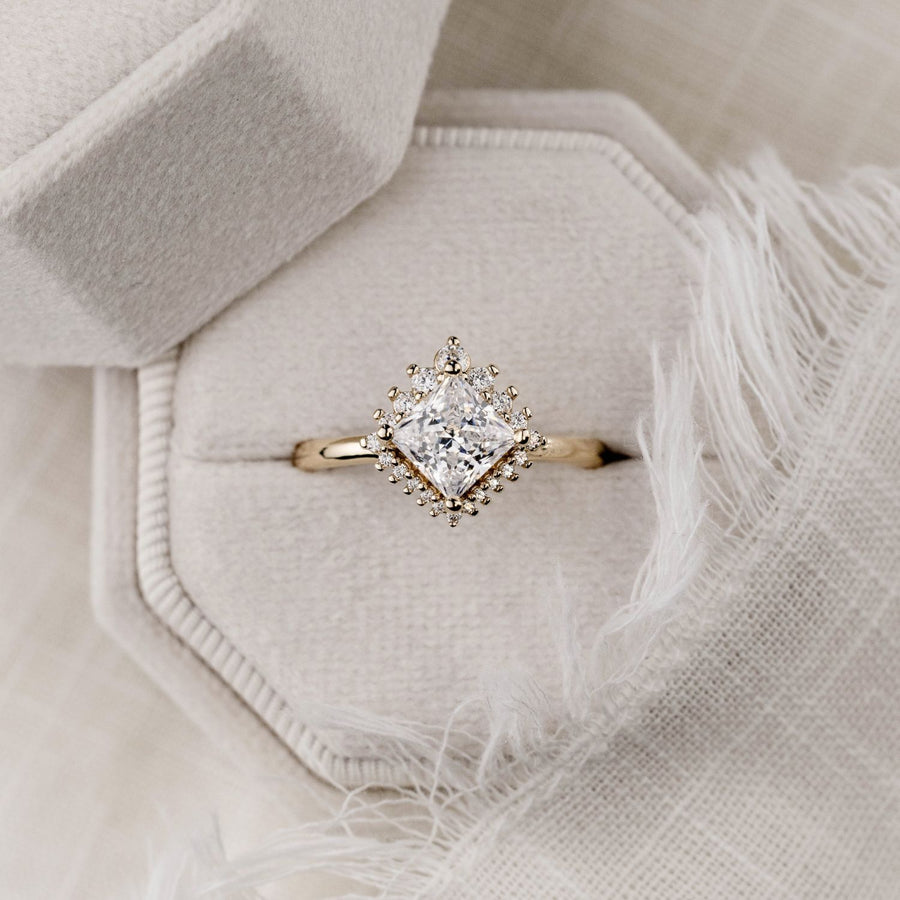
The princess cut remains one of the most popular square diamond shapes.
Its deeper proportions help produce outstanding sparkle while maintaining clean geometric lines. Although it may face up slightly smaller than elongated shapes, it offers an excellent combination of brilliance and modern style.
Its pointed corners should always be protected by prongs to reduce the risk of chipping.

Asscher Cut Diamond
The Asscher cut is often confused with the emerald cut because both use step-cut faceting.
The biggest difference is that the Asscher is square instead of rectangular. It also has deeply trimmed corners that create a distinctive octagonal appearance.
Rather than producing intense sparkle, the Asscher creates large mirror-like reflections known as the hall-of-mirrors effect, giving it a bold Art Deco personality.
Heart-Shaped Diamond
The heart shape is one of the most recognizable and romantic diamond shapes available.
Because of its unique outline, much of its weight is concentrated in the rounded upper portion of the stone. It usually appears slightly smaller than simpler shapes with the same carat weight, making proper proportions especially important.
Although less common than other shapes, a well-cut heart diamond creates a truly unforgettable engagement ring.
Choosing the Right Diamond Shape
When choosing a diamond shape, there is no universal right answer. Instead, think about what matters most to you.
If sparkle is your top priority, round, radiant, oval, and princess cuts are excellent options.
If you want the biggest appearance for your budget, marquise, oval, pear, and radiant shapes offer some of the best visual size.
If your style leans toward vintage-inspired jewelry, cushion, emerald, and Asscher cuts bring plenty of old-world character while still feeling timeless.
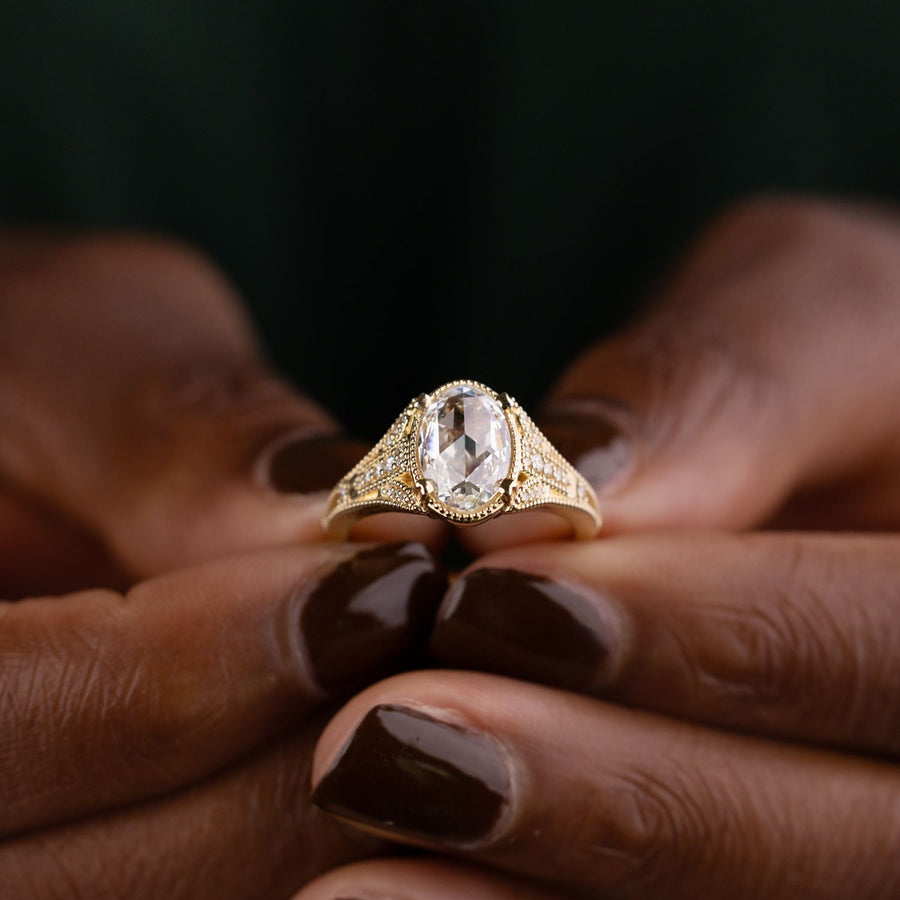
The setting you choose also plays a major role in the overall design. A simple solitaire highlights the diamond itself, while details like milgrain, a row of tiny decorative metal beads along the edge of a ring, or filigree, delicate lace-like metalwork built into the setting, can completely transform the look.
Final Thoughts
Choosing a diamond shape is one of the most exciting parts of designing an engagement ring. Every shape has its own strengths, whether that's unmatched sparkle, elegant proportions, vintage character, or impressive visual size.
The most important thing is finding a diamond that fits your personal style and lifestyle, not simply following the latest trend.
A beautiful engagement ring is more than just a center stone. It is the combination of the right shape, the right setting, and thoughtful design choices that make the ring feel truly yours. By understanding how each diamond shape looks, performs, and distributes its carat weight, you'll be much more confident when it's time to choose the perfect center stone.
We hope you found this article helpful! If you would like further guidance on your engagement ring journey, our team would be honored to meet with you! We offer free consultations, both virtual and in-person, at our Huntersville location in the suburbs of Charlotte, NC.